


Mastering Concrete Repair: Say Goodbye to Driveway Cracks

Are you tired of tripping over those unsightly cracks in your driveway or worried about the damage they could cause to your vehicle's tires? Well, you're not alone. Cracks in concrete driveways are not just an eyesore; they can lead to more significant issues if left unattended. But don't worry—repairing these cracks doesn't have to be a daunting task. With the right approach and a little bit of elbow grease, you can restore your driveway to its former glory. Ever wondered why your driveway suddenly looks like a jigsaw puzzle, and what you can do about it?
Key Takeaways
Learn about the common causes of driveway cracks and how to prevent them
Discover essential tools and materials needed for effective crack repair
Follow a detailed step-by-step guide on repairing both small and large cracks
Gain insights into achieving a professional finish for your driveway repair
Understand when it's time to call in the pros for extensive damage
Understanding Driveway Cracks: Causes and Prevention

Cracks in your driveway aren't just a cosmetic concern—they can signal underlying issues that need attention. Understanding the causes is the first step toward prevention and effective repair.
Common Causes of Concrete Driveway Cracks
Weather changes can wreak havoc on your driveway. The expansion and contraction caused by temperature fluctuations can lead to cracking. These structural cracks often appear during seasonal changes when the concrete slab contracts in the cold and expands in the heat. If you live in areas like Lehigh Valley, PA, where weather conditions can vary greatly, this is a common issue.
Heavy loads from vehicles can also contribute significantly. If your driveway regularly supports heavy vehicles, this added stress can lead to premature cracking. Additionally, poor installation is another culprit. If the initial concrete slab wasn't laid properly, it might not withstand the test of time. Lastly, soil movement underneath the driveway can cause shifting, resulting in cracks that seem to appear out of nowhere.
How to Prevent Future Cracks in Your Driveway
Prevention is always better than cure, especially when it comes to driveway maintenance. Regular sealing acts as a protective barrier against moisture and harsh weather conditions. If you're in the Greater Lehigh Valley area, consider reaching out to experts like Richard Diehl Paving for advice on preventative measures.
Adequate drainage is crucial. Water pooling on your driveway can undermine the concrete, leading to cracks. Ensuring proper drainage around your property can prevent this. Moreover, choosing quality materials during installation ensures your driveway is built to last. Routine inspections by a concrete expert can catch minor issues before they snowball into major problems. Regular maintenance, including sealing, can extend your driveway's lifespan significantly.
Gathering Essential Tools and Materials for Crack Repair
Before you roll up your sleeves and dive into repairing those cracks, it's important to gather the right tools and materials. This preparation will make the repair process smoother and more efficient.
Must-Have Tools for Driveway Crack Repair
A wire brush is an indispensable tool for cleaning out loose debris from cracks. This step is crucial for ensuring that the repair materials adhere properly. A caulking gun is another must-have. It allows for precise application of sealant, making the repair process more efficient and less messy.
To spread repair materials evenly, a trowel is essential. It helps you apply the compound smoothly over the crack. A putty knife also comes in handy for smoothing out the surface after applying the filler. These masonry tools are not just for contractors; they are perfect for any DIY guide on driveway repair.
Essential Materials for Concrete Crack Repair
Concrete patching compound is your best friend when it comes to filling and repairing cracks. This material is specifically designed to bond with existing concrete and provide a durable solution. After filling the crack, a crack sealant creates a protective layer over the repaired area, safeguarding it from future damage.
Incorporating sand into the mix can add texture, helping the repair blend seamlessly with the existing concrete surface. Before you start, ensure the surface is clean of stains with a cleaner or degreaser. This step ensures that the crack filler adheres properly and the repair lasts. Whether you're dealing with a concrete or asphalt driveway, these resurfacing materials are essential.
Preparing Your Concrete Driveway for Crack Repair

Preparation is key to a successful repair. Taking the time to properly inspect and prep your driveway will save you headaches down the line.
Inspecting Your Driveway for Cracks
Begin with a thorough visual inspection. Look for visible surface cracks and note their locations. Pay attention to both the width and depth of these cracks. Measuring them will help you determine the appropriate repair approach, as different methods are required for deep cracks versus surface cracks.
Sometimes, the crack pattern can reveal underlying issues. For instance, if you notice structural cracks running in a particular direction, it might indicate soil movement beneath the concrete. Understanding these common causes can help guide your repair strategy, especially if you're in Lehigh Valley, PA, where soil conditions can vary.
Prepping the Area for Repair
Once you've identified the cracks, it's time to prep the area. Start by removing any debris and loose concrete from the cracks. A clean surface is crucial for effective repair. Marking the crack locations can help you plan your repair strategy and ensure you don't miss any.
Ensure the area is dry before applying repair materials; moisture can interfere with adhesion. Lastly, set up safety barriers around the work area. This keeps the space organized and prevents any mishaps during the repair process. If you're following a DIY guide, these prepping steps are crucial for success.
Cleaning Driveway Cracks: The First Step to Success
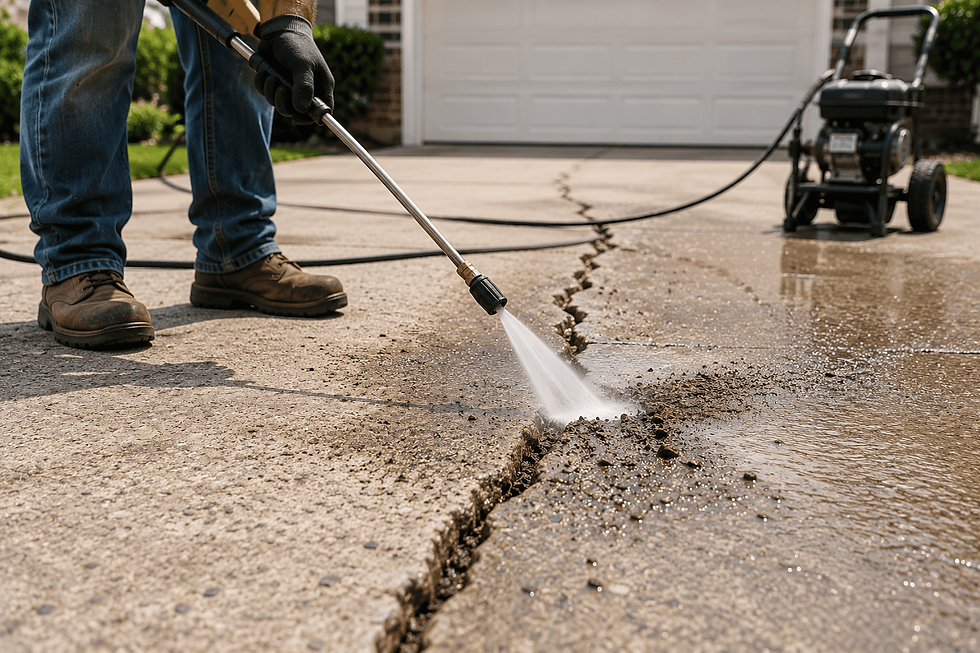
Cleaning might seem mundane, but it's an essential step in the repair process. Proper cleaning ensures that your repair efforts are not in vain.
Why Cleaning Cracks is Crucial
Clean cracks allow repair materials to adhere properly. This adhesion is vital for the longevity and effectiveness of the repair. Removing debris not only helps the repair but also prevents future damage. Debris left in cracks can lead to further deterioration over time.
A clean surface also extends the lifespan of your repair efforts. By removing dirt and debris, you're ensuring a more aesthetically pleasing finish. Plus, a well-maintained driveway enhances the overall appearance of your property. If you're in Lehigh Valley, PA, where driveway maintenance is key, this step cannot be overlooked.
Effective Methods to Clean Your Driveway Cracks
A pressure washer is an effective tool for removing dirt and loose particles from your driveway. It's powerful enough to clear out debris but gentle enough not to damage the concrete. For stubborn grime within the cracks, a wire brush can scrub it away effectively.
Compressed air is another tool that can blow out dust and debris from deep crevices, ensuring a spotless surface. Finally, a vacuum cleaner can suck up any remaining loose particles, leaving the area pristine and ready for repair. These cleaning techniques are part of any comprehensive DIY guide, and Richard Diehl Paving recommends them for effective debris removal.
Choosing the Right Crack Repair Products for Your Driveway
Selecting the right products can make or break your repair project. With so many options on the market, it's crucial to choose wisely.
Types of Crack Repair Products
Concrete patch compounds are great for quick fixes on small cracks. These products are designed for easy application and offer a quick solution to minor issues. For more durable and long-lasting repairs, consider epoxy-based solutions. These are excellent for areas that experience high stress or heavy loads.
Polyurethane sealants provide flexibility with temperature changes, offering better protection against cracking. Meanwhile, acrylic fillers are perfect for shallow cracks and surface imperfections. If you're tackling asphalt repair, these crack filling products can work wonders, especially in areas like Lehigh Valley, PA, where weather conditions can vary.
Selecting the Best Product for Your Concrete Driveway
When choosing a repair product, consider the crack size. Small cracks require different materials compared to larger, structural cracks. Assess the environmental conditions, such as weather and temperature fluctuations, to select a suitable product.
Evaluate the durability of the product to match your driveway's needs. For expert recommendations, consulting a concrete specialist or companies like Richard Diehl Paving can be beneficial. They can guide you in product selection, ensuring you choose the best materials for your driveway repair.
Step-by-Step Guide to Repairing Concrete Driveway Cracks
Now that you have the right tools and materials, it's time to dive into the repair process. Follow these steps for a successful repair.
Filling Small Cracks: A Simple Guide
Start by thoroughly cleaning and drying the crack. This step is crucial for the repair material to bond effectively. Using a caulking gun, inject the filler into the crack evenly, ensuring it fills the entire space.
Smooth the surface with a putty knife, creating a seamless finish. Allow the filler to cure completely according to the product instructions. Whether you're dealing with surface cracks or fine surface cracks, this DIY guide from Richard Diehl Paving will help you achieve a professional result.
Repairing Larger Cracks: Step-by-Step Process
For larger cracks, start by enlarging the crack slightly. This ensures the repair material can penetrate effectively. Apply a concrete patch compound using a trowel, filling the deeper cracks thoroughly.
Adding sand can help blend the repair with the surrounding concrete, creating a natural look. Allow the patch to cure fully before walking or driving on it. For structural cracks or deep cracks, following this crack repair guide will ensure durability and longevity in your driveway.
Visuals and Video Tutorial for Crack Repair
Visual aids can make all the difference in understanding the repair process. Step-by-step visuals provide clear guidance on each repair stage, from cleaning to finishing.
A video tutorial can demonstrate techniques for effective repairs, offering a hands-on approach to learning. Before-and-after images illustrate the transformation of your driveway, giving you confidence in the process. Whether you're a visual learner or follow a step-by-step guide, these resources make DIY repairs accessible and successful.
Tips for Achieving a Smooth Finish on Your Driveway Repair

A smooth finish not only looks professional but also enhances the durability of your repair. Here are some tips to achieve that perfect finish.
Techniques for a Seamless Repair
Feather the edges of the repair to create a smooth transition between the patch and the existing concrete. This technique helps in blending the repair seamlessly.
Using a wet sponge, gently blend the patch with the surrounding area. Apply thin layers of repair material to avoid unsightly buildup and uneven surfaces. Patience and precision are key to getting the best results.
Tools and Tricks for a Professional Finish
A finishing trowel is essential for achieving a polished and even surface. Edging tools can help create clean lines and professional aesthetics, enhancing the overall look of your driveway.
A concrete float can help you achieve a uniform texture, smoothing out any irregularities. For added shine and protection, consider applying a concrete sealer. These driveway repair tools and expert tips from Richard Diehl Paving will help you achieve a professional finish.
Protecting Your Driveway: Post-Repair Maintenance Tips

Once your driveway is repaired, regular maintenance is essential to keep it in top shape.
Regular Maintenance for Your Concrete Driveway
Sealing your driveway periodically extends its life and appearance, protecting it from moisture and weather damage. A maintenance schedule is crucial for ongoing upkeep.
Regularly clean the surface to prevent dirt accumulation and stains. Inspect for new cracks regularly, allowing for timely repairs and prevention. Addressing drainage issues can avert water-related damage, ensuring your driveway remains in excellent condition.
Preventative Measures to Avoid Future Cracks
Avoiding heavy loads on your driveway can prevent unnecessary stress and cracking. Keep an eye on tree roots that might disrupt the concrete foundation over time.
Ensure proper expansion joints to accommodate temperature changes, reducing the risk of cracking. Regularly remove weeds and vegetation that can cause cracks. Consult Richard Diehl Paving for maintenance tips and crack prevention strategies to keep your driveway looking its best.
Common Questions About Driveway Crack Repair
Driveway repair can raise many questions for homeowners. Here are some common concerns and solutions.
Addressing Homeowner Concerns
Driveway repairs don't have to break the bank. Cost-effective solutions are available for minor repairs, making it accessible for most homeowners. Simple maintenance steps can extend the life of your repairs, ensuring a long-lasting result.
DIY repairs can be as effective as professional ones with proper guidance. Understanding the repair process can boost homeowner confidence, making you more comfortable with tackling these repairs on your own.
Solutions to Common Crack Repair Questions
Clear instructions simplify the repair process, helping homeowners tackle driveway repairs with ease. Expert tips can enhance the quality and longevity of your repairs, ensuring a successful outcome.
Product recommendations can help you choose the best materials for your specific needs. Addressing misconceptions about driveway repairs ensures effective and lasting results. For more expert advice, consult Richard Diehl Paving for guidance tailored to your situation.
When to Call a Professional for Driveway Crack Repair
While many driveway repairs can be done DIY-style, there are times when professional help is necessary.
Identifying When DIY Isn’t Enough
Extensive damage might require professional intervention, especially for safety reasons. If you lack the necessary equipment, hiring a professional is a practical choice.
When time is a constraint, professional services can save you time and hassle. Complex repairs benefit from expert knowledge and experience, ensuring the job is done correctly.
Choosing a Reliable Professional for Your Driveway Repair
Research potential contractors to ensure quality workmanship. Verify credentials and reviews to find trustworthy professionals in your area.
Obtain multiple quotes for competitive pricing and services, ensuring you get the best value for your money. Communicate your expectations clearly to avoid misunderstandings. Companies like Richard Diehl Paving are known for their reliability and expertise in Lehigh Valley, PA, making them a top choice for driveway repair.
Protect Your Driveway with Professional Repairs
Taking care of driveway cracks early can prevent minor damage from turning into costly repairs. If the cracks are spreading, recurring, or beyond a simple DIY fix, Richard Diehl Paving is ready to help. Our experienced team provides reliable driveway repair and paving solutions designed to restore your surface and protect it for years to come. Contact Richard Diehl Paving today to schedule an estimate and give your driveway the professional attention it needs.


Comments