


When Is the Best Time to Pave a Parking Lot? Your Lehigh Valley PA Seasonal Planning Guide


Key Takeaways ON THE Best Time to Pave a Parking Lot
Knowing when to pave a parking lot in Lehigh Valley, PA can save you thousands in repair costs and add years to your pavement's life. Here is what business owners and property managers need to know:
May through September is the best paving window in Lehigh Valley. Temperatures between 50°F and 85°F support proper asphalt compaction and long-term durability.
Both air and ground temperatures must be at least 50°F and rising during installation. Asphalt arrives at 275°F to 300°F and must be compacted before it cools below 185°F.
Plan 3 to 6 months ahead to secure quality contractors during peak season. Most commercial parking lots take 2 to 4 weeks to complete from start to finish.
Asphalt plants in Eastern Pennsylvania close by late November. Winter paving creates serious risks including premature cracking, raveling, and freeze-thaw damage.
Phased construction keeps roughly 75% of parking spaces available throughout the project. Light traffic can resume within 24 to 48 hours after paving.
Working with experienced local contractors who understand Pennsylvania's climate makes all the difference for your parking lot investment.
Choosing the best time to pave a parking lot can make the difference between a durable surface and costly repairs. Temperature plays a critical role in asphalt performance. The optimal paving season in Pennsylvania runs from mid-April through mid-October, with May through September being the sweet spot. Ambient temperatures during this window typically range from 60°F to 85°F, which is ideal for asphalt compaction. Understanding paving temperature requirements, when asphalt plants close for the season, and how long it takes to pave a parking lot will help you plan better for your project. This guide covers the seasonal considerations, timing logistics, and temperature requirements specific to commercial paving projects in Lehigh Valley, PA.
Why Timing Matters for Parking Lot Paving in Lehigh Valley
Temperature's Impact on Asphalt Performance
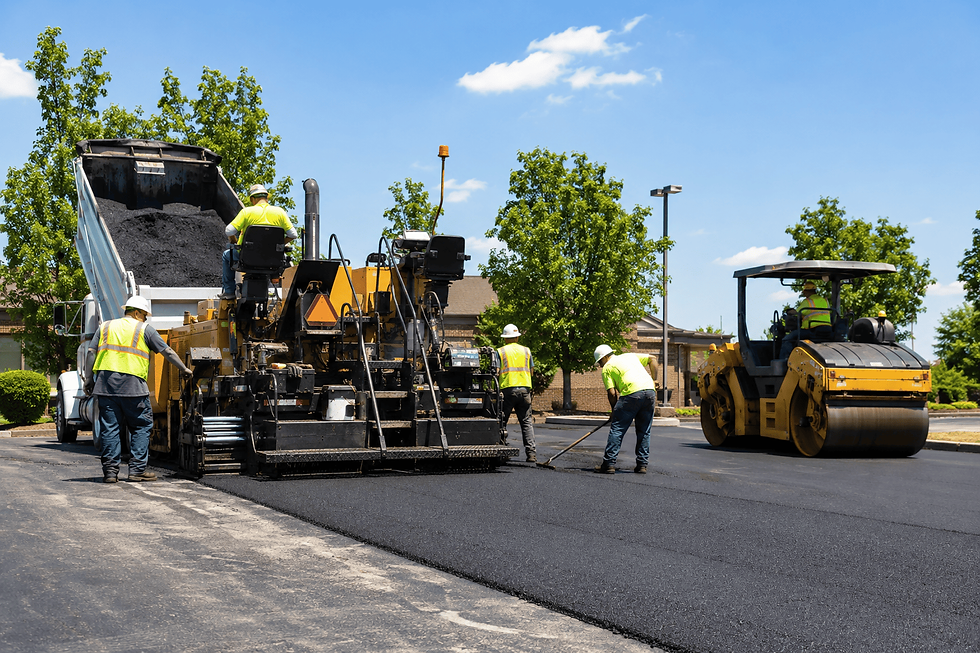
Hot-mix asphalt arrives at your job site between 275°F and 300°F. That material must be compacted before it drops below critical temperature thresholds. Initial rolling needs to start when the mix is between 220°F and 290°F. If the temperature falls below approximately 185°F before final compaction is complete, the asphalt becomes too stiff to achieve proper density.
Paving temperature determines how well your parking lot holds up for years to come. Asphalt that cools too rapidly will not reach the density required. The surface becomes rough and prone to retaining water. The pavement won't last as long as it should.
Both air and ground temperatures must be at least 50°F and rising during installation and compaction. Ground temperature can be significantly lower than air temperature, especially in the early morning following a cold night. Once overnight temperatures drop below 50°F consistently, the ground and base layers stay cold. That cold prevents new asphalt from maintaining compaction temperature long enough to achieve proper density.
How Pennsylvania's Climate Affects Paving Results
Pennsylvania's four-season climate creates real constraints that you cannot ignore. Temperature, humidity, ground conditions, and precipitation all affect how asphalt compacts, cures, and bonds to the base. November through March is not a viable window for hot-mix asphalt paving in Pennsylvania. The risks are substantial: frozen base that prevents bonding, moisture trapped beneath the surface, inability to achieve compaction density, and rapid cooling that creates weak, porous asphalt.
Mid-summer paving comes with its own consideration. When ambient temperatures exceed 90°F, asphalt cools more slowly, which can allow over-rolling and surface checking.
The Cost of Poor Timing Decisions
Pave at the wrong time, and even premium materials will underperform. Premature cracking, raveling, and surface failure are the results — and no amount of maintenance can fix that. Freeze-thaw cycles make things worse in colder months. Water enters small surface cracks, freezes, expands, and gradually widens the damage. That process leads to potholes and deep structural failures. Proper installation timing is the only reliable way to avoid it.
Best Time of Year to Pave a Parking Lot in Lehigh Valley, PA

Late spring through early fall: the optimal window
Late spring through early fall offers the best conditions for asphalt installation in Lehigh Valley. June through August provides the most reliable results for commercial and large residential projects. Long daylight hours allow for extended work windows. Warm ground temperatures support proper base moisture evaporation, and consistent weather patterns reduce the risk of rain delays.
Spring paving offers good scheduling flexibility before the summer rush. Early spring projects, however, must account for frost heave recovery. Pennsylvania soils often retain frost well into April. Paving over frost-susceptible ground can lead to spring settlement failures.
September and early October remain viable for most paving projects in Pennsylvania, though scheduling becomes more weather-dependent. The overnight low temperature is the critical threshold to watch.
May through September: month-by-month breakdown
May: Ground has thawed completely and temperatures stabilize above 50°F consistently. This is ideal for getting ahead of the summer contractor rush.
June–July: Peak season. Temperatures between 70°F and 85°F ensure proper installation and curing. Asphalt paving performs best at 70°F or higher.
August: Conditions remain excellent, but contractor availability tightens. Book early.
September: Fall paving works well with temperatures between 50°F and 70°F. Lower humidity levels create perfect conditions for long-lasting installations.
When do asphalt plants close in Lehigh Valley
Asphalt plants in Eastern Pennsylvania typically close by late November or early December. Northern regions see plant shutdowns around Thanksgiving week, with some remaining open into the first week of December. Cold temperatures make it difficult to transport and lay asphalt while it is still hot and pliable — which is why winter paving is simply not a viable option.
Minimum temperature for laying asphalt
The minimum temperature for laying asphalt is 50°F and rising. This applies to both air temperature and ground temperature. Wind also affects how quickly asphalt cools. On extremely windy days, ambient temperature may need to be well above 50°F to maintain proper compaction conditions.
PARKING LOT PAVING Timeline and What to Expect
How long does it take to pave a parking lot
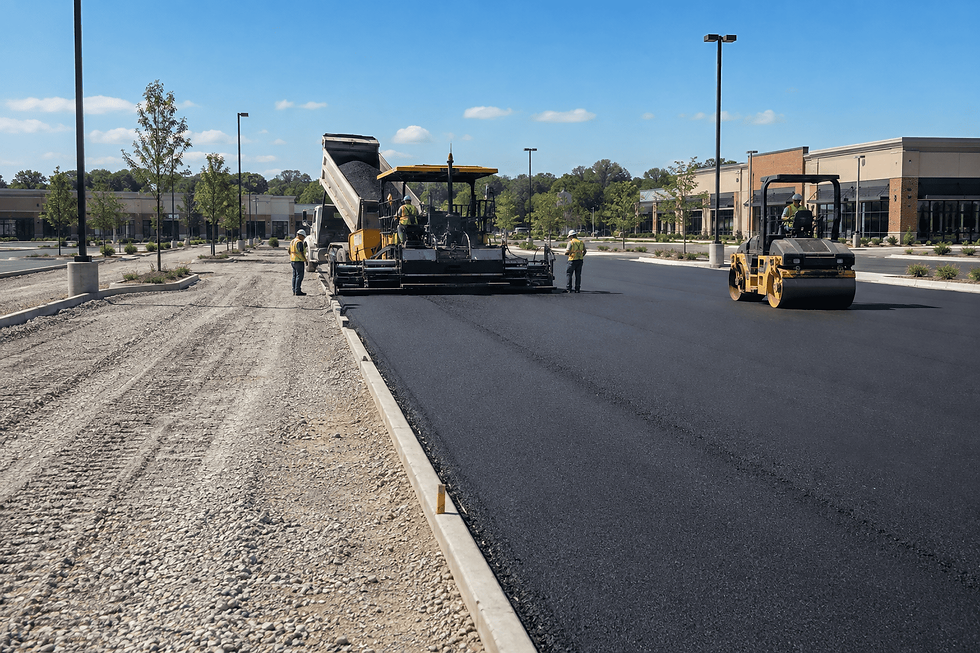
Most commercial parking lot projects take 2 to 4 weeks from start to finish. A small to medium-sized lot can be completed within 1 to 2 weeks. A 100-space surface lot requires 6 to 12 weeks total when factoring in permitting, grading, drainage, paving, and finishing work. The actual asphalt installation takes 1 to 3 days, but site preparation consumes the majority of your timeline. Understanding this breakdown will help you plan better for the project and avoid surprises.
Scheduling your project ahead of time
Plan 3 to 6 months before your desired start date. This gives you enough time to secure contractor availability and coordinate around your business needs. Your project should not conflict with peak shopping seasons or major events. Discuss your operational schedule with your contractor before finalizing construction timing. The earlier you plan, the better position you are in.
Phased construction for business continuity
Phased work for a 250,000 square foot center runs 6 to 10 weeks. Your contractor should maintain roughly 75% of usable parking open at every stage. Most phases reopen within 24 to 48 hours depending on milling depth, paving scope, and striping. This approach keeps your property functional throughout the entire project.
Site preparation and base work
Site preparation typically runs 1 to 2 weeks for a hundred-space lot. This phase covers grading, base installation, and drainage work. Proper base work is not something to rush. It determines how well your parking lot holds up over time.
After paving: cure time and usage
Light vehicle traffic can resume after 24 to 48 hours. Complete curing takes up to 30 days. During this period, avoid heavy loads and concentrated parking in the same spots. This protects the surface and allows the asphalt to reach its full strength.
Working with Lehigh Valley Paving Contractors

Questions to Ask About Paving Temperature Limits
Ask your contractor how they monitor conditions during installation. Professional crews use infrared thermometers to check both the asphalt mix and surrounding conditions throughout the project. Experienced contractors also monitor wind speed, haul distance from the plant, pavement thickness, and the specific mix design being used. These factors determine whether conditions remain suitable as work progresses. A contractor who cannot answer these questions clearly is not the right fit for your project.
When a Good Contractor Will Tell You to Wait
Reputable contractors prioritize quality over schedule adherence. They will postpone work rather than compromise the installation during unsuitable conditions. Weather can shift unexpectedly. Sometimes waiting even a single day makes a substantial difference. Contractors test base readiness by walking the prepared surface. If footprints remain visible, the ground is too wet. That kind of attention to detail is what separates quality work from a job that fails early.
Getting Quotes During Off-Peak vs. Peak Season
Peak season pricing from March through August runs 10 to 20 percent higher than off-season rates due to contractor demand. Fall scheduling may offer discounts of 10 to 20 percent compared to peak season. Some contractors lock in prices regardless of when work begins, while others include seasonal adjustment clauses. Understanding how much your project costs in different seasons will help you plan better and get more value from your investment.
Verifying Local Experience and Insurance
Request certificates of insurance directly from the insurance provider before work begins. Contractors familiar with regional soil stability, freeze-thaw cycles, and municipal building codes bring real advantages to your project. Verify current state licenses and comprehensive workers' compensation policies. Whether your project is a small lot or a large commercial center, the right contractor will provide its reputation on every job.
Plan Your Lehigh Valley Parking Lot Paving Project Today
The right timing and an experienced paving team can make all the difference in the performance and longevity of your parking lot. Richard Diehl Paving provides professional parking lot paving in Lehigh Valley, PA, with careful attention to site preparation, drainage, weather conditions, and proper installation. If you're planning a new parking lot or replacing worn pavement, contact Richard Diehl Paving today to discuss your project and schedule your paving during the ideal season.


Comments